
INVISIBLE
BRAND PROTECTION
TO FIGHT PRODUCT COUNTERFEITING
VERIFY genuineness IN SECONDS
AlpVision provides digital invisible anti-counterfeit and product authentication solutions to Forbes Global 2000 companies and currently protects and identifies over 30 billion branded products across industries worldwide – we are a leader in the brand protection market. With AlpVision’s innovative brand protection technologies, brand owners can quickly uncover counterfeit consumer products and industrial goods.
What is brand protection? Brand protection encompasses all efforts put in place by a company to ensure and control product authenticity. Brand protection also includes legal aspect and elements related to intellectual property and trademarks. All our solutions at AlpVision are technical and such that they can be used when engaging in legal actions.
Get your complimentary white paper
Selecting an anti-counterfeiting technology – Cope with the Challenges

OUR BRAND PROTECTION solutions
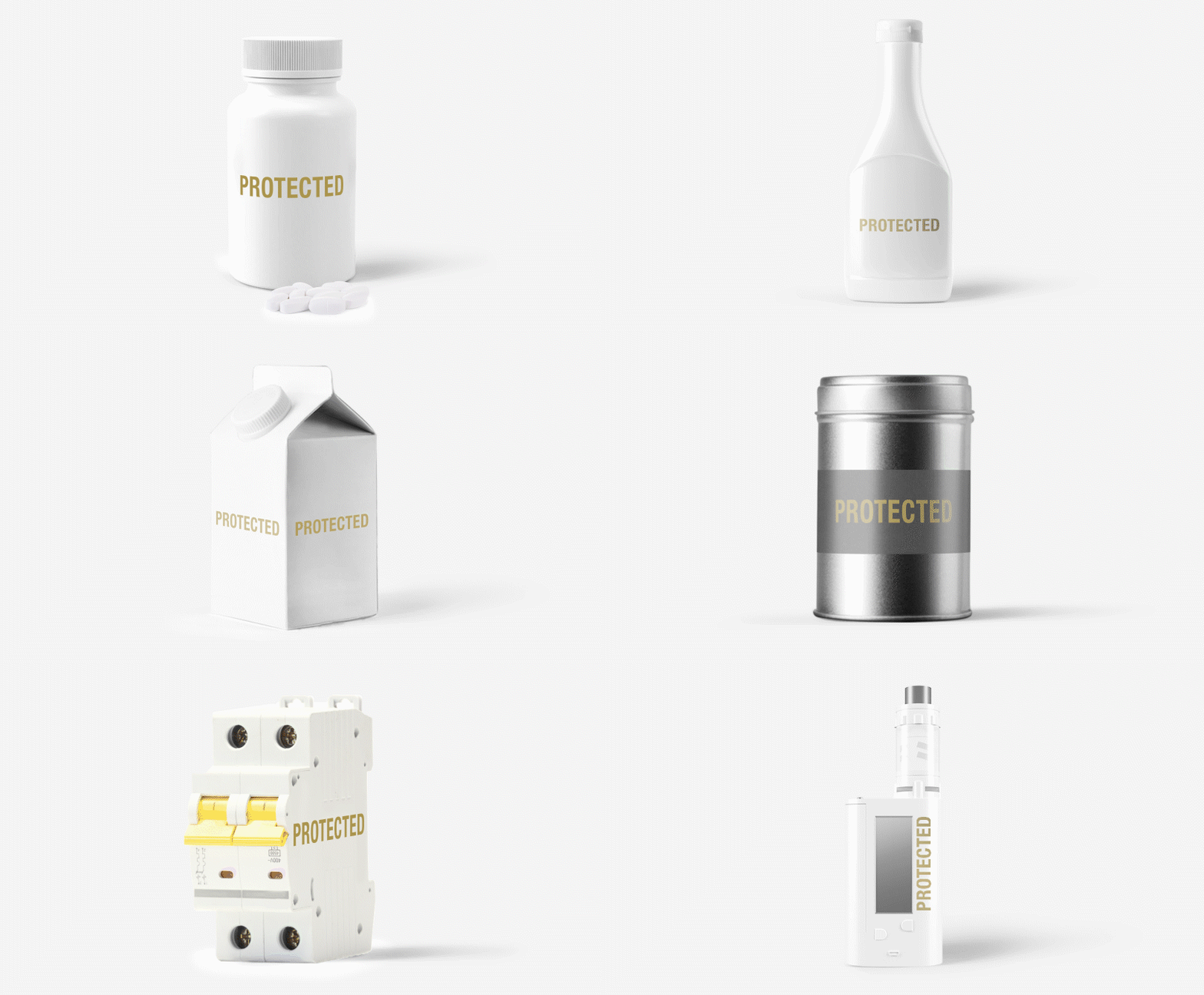
THE Scope of AlpVision’s verification solutions
AlpVision’s digital and invisible technologies integrate seamlessly into to any protection strategy of your brands be it online or offline to protect either the packaging or the product itself.
Packaging examples include cartons, labels, leaflets and blister packs. AlpVision’s brand protection solutions can be used to protect items like bottles and caps, electrical appliances, mechanical parts, imaging supplies, most plastic molded products, precious metals, car parts … in fact, almost any manufactured product you can think of.
AlpVision authentication solutions are innovative, often making use of machine learning, and help you to quickly spot abuse of your brands intellectual property without the need for third party services.
FEATURES OF OUR PROTECTION

Highly secure against copying

AUTHENTICATE WITH
A MOBILE PHONE

Simple and inexpensive to implement

INVISIBLE SECURITY

Instant positive authentication
PROTECT ANY PRINTED PRODUCT
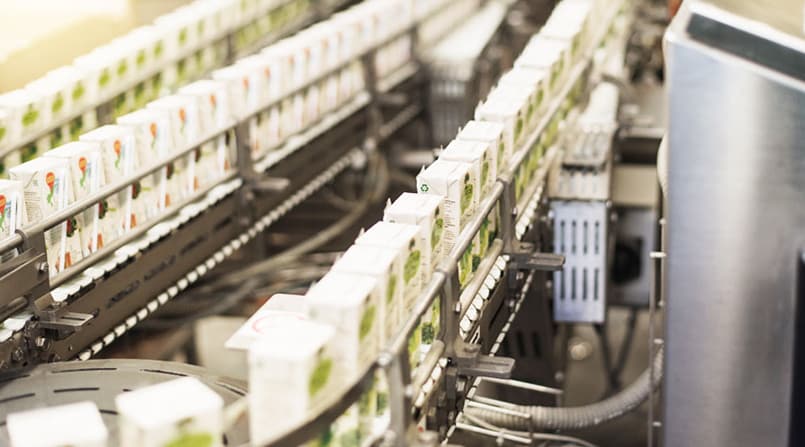
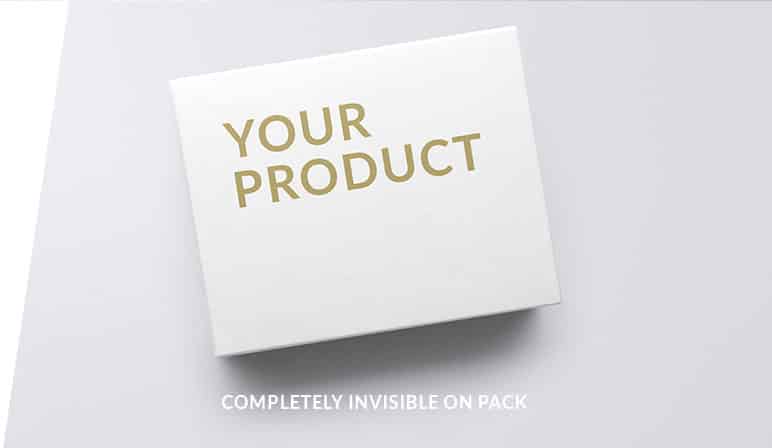
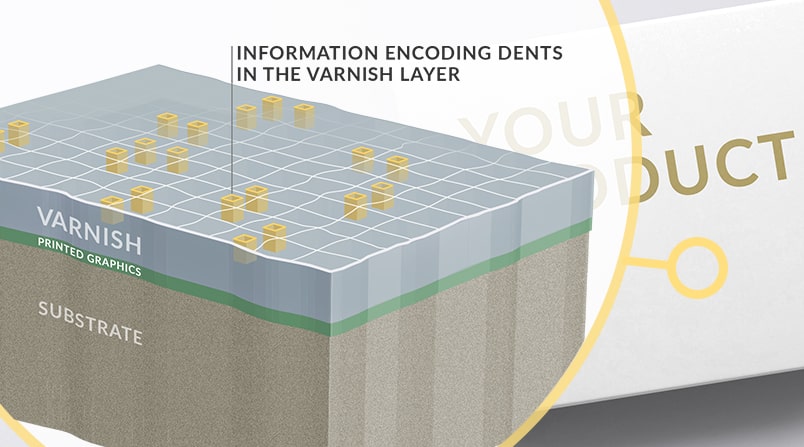
AlpVision Cryptoglyph is a digital invisible mark that is applied to printed items such as cartons, labels and blister packs using regular visible ink or varnish and standard printing processes (offset, rotogravure, flexo, laser, inkjet, etc.).
Simple and industry-proven packaging and label protection with Cryptoglyph is applied to billions of products across industries worldwide. It is commercialized under license agreements as an entirely customizable turnkey computerized system.
AlpVision’s Cryptoglyph technology is FDA 21 CFR Part 11 compliant.

PHYSICAL PRODUCT PROTECTION
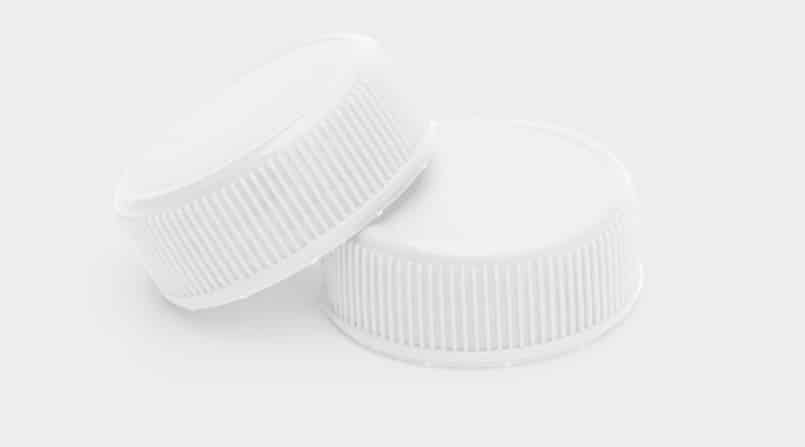
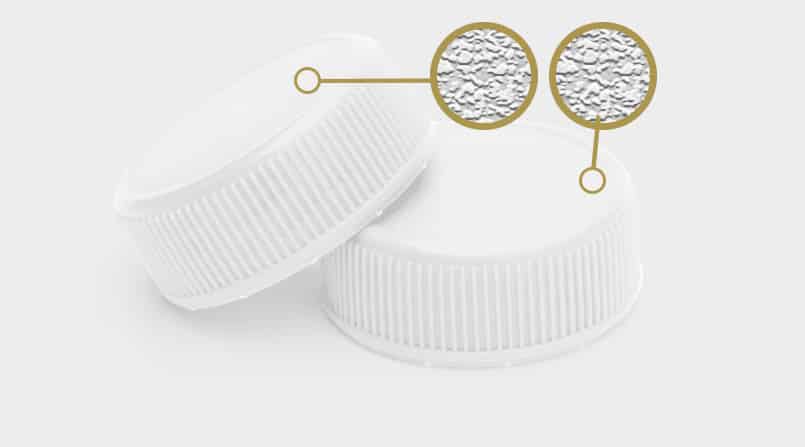
AlpVision Fingerprint is a unique breakthrough covert anti-counterfeit solution that tracks and authenticates products. This solution applies to a wide variety of parts, such as molded bottles and caps, electrical appliances, mechanical parts, precious metals, watches, imaging supplies and most plastic molded products available on the market today.
With no changes to the standard production practices, AlpVision Fingerprint technology leverages the intrinsic microscopic surface irregularities found on the objects and uses these unique characteristics as the means of authentication (as opposed to adding safety features).
INVISIBLE AUTHENTICATION LAYER TO YOUR TRACK & TRACE SYSTEM
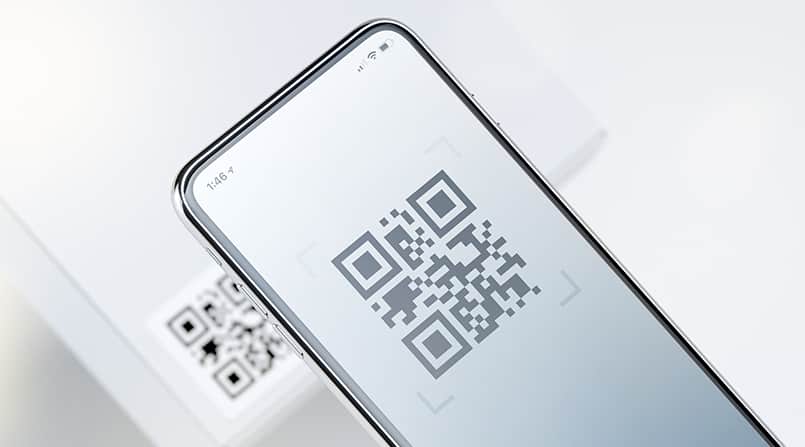
If you have a product that uses a track and trace system, for instance with QR codes, we can seamlessly add an extra digital protection layer. This layer is completely invisible – and can be added or removed without anyone noticing. This solution is called Secured QR code.
Track and trace protection will help you to identify when and where you may have counterfeiting problems in your supply chain – and to take action to fight fake goods.

GO GLOBAL WITH OUR BMS ONLINE SYSTEM
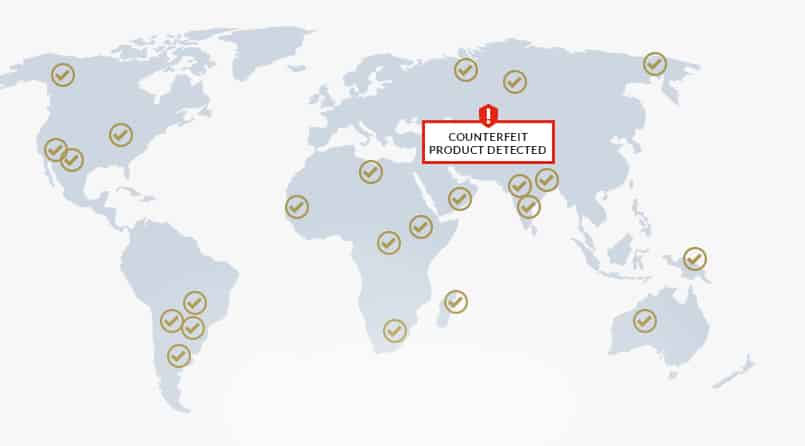
Global markets require global mobile solutions as part of their brand protection strategy. AlpVision Brand Monitoring System (BMS) is a server-based Web application that allows brands representatives to perform online monitoring, counterfeit statistics and product authentication, thus strengthening the brand protection value.
BMS can manage AlpVision’s digital solutions for product authentication (Cryptoglyph, Fingerprint) as well as other third-party product authentication and brand protection solutions, such as QR Codes, Bar Codes, two-dimensional matrix codes or OCR.
AUTHENTICATION STATISTICS AND ALERTS IN REAL TIME
AlpVision’s authentication process offers a highly secure encryption system, allowing you to receive real-time verification and fake alerts from any part of the world.
With this online brand protection system you take control of your brand and products quickly and efficiently, helping you to discover intellectual property infringements.
A fast and direct way to identify if and where you have challenges regarding fake goods. Take control like never before.
Counterfeit Products Market

PHARMACEUTICALS
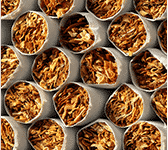
TOBACCO

GOVERNMENT

PRECIOUS METALS

WINE & SPIRITS
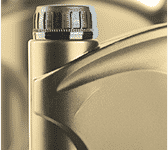
AUTO LUBRICANTS
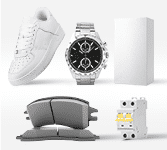
OTHER INDUSTRIES
Our digital invisible technologies for product authentication and counterfeit protection can be applied to a broad range of branded products across a multitude of industries, including household appliances, electromechanical parts (e.g., circuit breakers), agrochemicals (e.g., pesticides), cosmetics, oil & gas (e.g., lubricants), consumer goods, food & beverage and more.
FREQUENTLY ASKED QUESTIONS ABOUT OUR BRAND PROTECTION SOLUTIONS
Which anti-counterfeit technology should I use for which packaging material?
AlpVision Cryptoglyph protects cartons, leaflets, labels, blister packs and valuable documents. AlpVision Fingerprint protects mass-produced objects manufactured by molding, such as bottles and caps, electrical appliances, mechanical parts and imaging supplies, to name a few.
Can I use both AlpVision Cryptoglyph and AlpVision Fingerprint?
Combined, AlpVision’s Cryptoglyph and Fingerprint technologies provide double security, protecting packaged items or products that contain both printed and glass or plastic packaging materials. In addition, AlpVision’s anti-counterfeit solutions are compatible with other overt safety features, such as bar codes, two-dimensional matrix codes and optical character recognition (OCR), to name a few.
What is your recommendation for protecting primary vs. secondary packaging?
Ideally, do both (AlpVision Cryptoglyph on packaging or labeling; AlpVision Fingerprint on molded parts). If there are budget constraints, we recommend protecting the primary package or product itself.
How are AlpVision's solutions detected? Do I need special devices?
Are AlpVision's solutions secure?
Invisible to the naked eye, AlpVision’s anti-counterfeit technologies are highly secure and designed to defeat counterfeiters.
Can I use AlpVision's products for track and trace?
AlpVision’s anti-counterfeit technologies provide positive authentication, which not only helps confirm the authenticity of the product but also increases the reliability of other safety features. While AlpVision Cryptoglyph cannot provide unique identification, this technology can generate information about the printed batch. While AlpVision Fingerprint cannot provide a complete track and trace system, this solution can identify the original mold cavity, help locate the equipment manufacturer and determine the approximate production date.
What are the strategic benefits in using a smartphone as a detection device?
How secure is AlpVision's iPhone app?
Only a down-sampled version of the Cryptoglyph is stored locally on the iPhone. This Cryptoglyph cannot be used to produce counterfeited packages, for example. For production software, Cryptoglyph patterns are stored using encryption methods, and only the iPhone app knows how to decrypt the stored and encrypted data. Only by reverse-engineering the entire software could counterfeiters decrypt the Cryptoglyph file, but this is highly improbable, because the effort is disproportionate.
Is AlpVision's authentication application available for Android phones?
AlpVision’s product authentication application is available for the iPhone and most Android-based smartphones. Other mobile operating systems available upon request.
What are the cons of using visible product protection?
Depending on the field, visual security features have multiple drawbacks. Here are a few:
- They require an artwork update.
- As they are visible, they alert counterfeiters to what to work on.
- In fields such as pharma, adding/changing/removing visible security features requires approval by a regulatory body.
- Once you have added a visible security feature to your products, it is difficult to remove it, as customers may be used to seeing it and wonder if the updated product without the security feature is a counterfeit.
- Authentication of visible security features requires end-user training, which is not always easy.
Why are AlpVision products easy to implement in the manufacturing process?
Our credo: do not change the productions process. This means that all our solutions integrate seamlessly into existing production processes, without requiring new hardware or special consumables. For your suppliers, product production is therefore “business as usual” with no production slowdowns, no extra costs, no stability decrease, etc.
What other services does AlpVision provide?
As part of its standard services, AlpVision provides customer support, quality control tools and staff training.
Is this all you have?
No, AlpVision also provides custom security features designed for your specific needs. Contact us for more information.
HOW CAN WE HELP YOU ?
We would be glad to send you more information.
WHAT OUR CLIENTS SAY
