
DISCOVER OUR COUNTERFEIT PROTECTION SOLUTIONS
We are the world’s leader in invisible digital technologies for counterfeit protection. Simple and industry-proven, our cost-effective, high-security digital solutions to combat counterfeiters protect billions of packages of branded products across industries worldwide, including in the areas of pharmaceuticals, tobacco, spirits, lubricants, precious metals, and government. Counterfeit detection is performed using a smartphone.
Deciding how to employ counterfeit protection on your products can be a challenge, so we offer a white paper to guide you through the process of selecting the technology that best suits your needs. That may be our technology—indeed, we can check the authenticity of almost any product, and, if yours presents a challenge, we can create custom solutions for you—but it may also be another type of technology.
ONE MINUTE TO FIND YOUR OPTIMAL SECURITY FEATURE
Try our security feature selection tool! Answer a few questions and the tool will show you the most appropriate solutions.
COUNTERFEIT PROTECTION
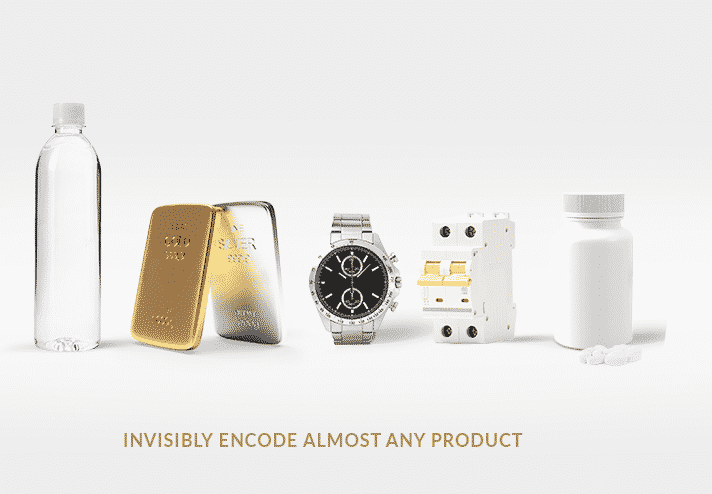
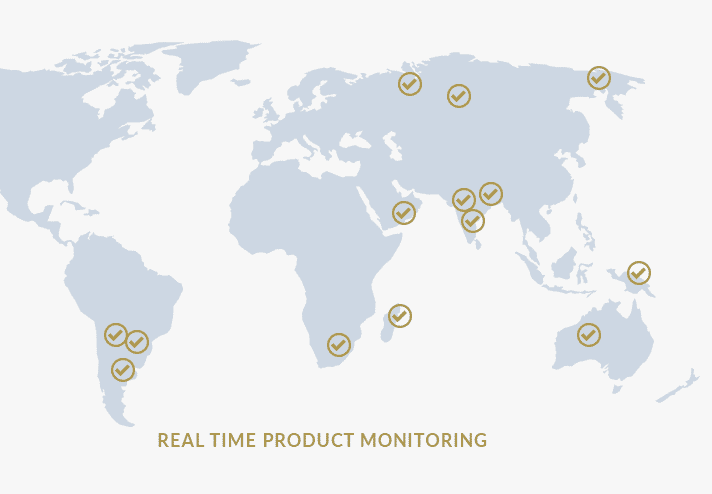
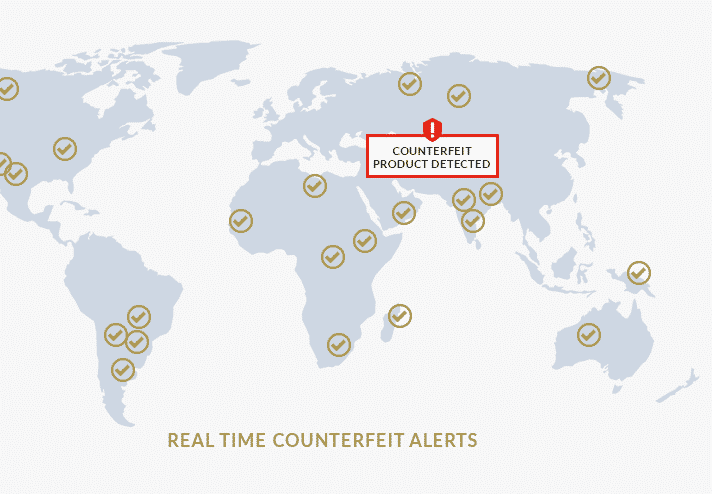

ANTI-COUNTERFEITING TECHNOLOGY WITH NO EXTRA PRODUCTION PROCESS
Counterfeiting is a scourge that equally affects products and documents. AlpVision anti-counterfeiting technologies are covert, which means invisible to you, and highly secure. Suitable for printed, machined and molded products, and even high-value documents, AlpVision solutions are made to match your requirements.
Our counterfeit protection solutions are applied to over 30 billion branded products each year across industries worldwide. Additionally, AlpVision protects millions of high-value documents from forgery, tampering and counterfeiting. Our solution does not require special ink or paper nor any change in the production process.
ALPVISION’S COVERT ANTI-COUNTERFEITING
AlpVision provides covert as opposed to overt anti-counterfeiting technologies because they are intrinsically more secure. Obviously, it is more difficult to counterfeit what cannot be seen. Additionally, overt technologies are very difficult to abandon after they are adopted, as the consumer expects to find them, and the verification of visible technologies relies entirely on user skills, which are extremely variable. The most common drawback of covert technologies is that they require a specific proprietary device to be detected. This is not the case with AlpVision technologies, as detection is performed using a regular smartphone combined with an app. The smartphone also collects valuable information about counterfeiting threats and technology use by sending usage data to a central server for analysis.
The beauty of AlpVision’s anti-counterfeiting technology is that it also seamlessly applies a digital protection layer to your track-and-trace system. This helps you determine when and where you may have counterfeiting problems in your supply chain and makes possible the identification of gray market activities.
The following summary highlights the advantages of our solutions::
- They provide high security against the copying of genuine products
- Product verification is done with a mobile phone.
- Implementation is simple and inexpensive.
- Our technologies cannot be distinguished on original goods.
- They offer instant positive authentication.
Counterfeit Products Market

PHARMACEUTICALS

TOBACCO
GOVERNMENT

PRECIOUS METALS

WINE & SPIRITS
AUTO LUBRICANTS
OTHER INDUSTRIES
At first glance, governments and the tobacco, lubricants, pharmaceutical, wine and spirits, and precious metals industries may have little in common. For all of them, however, counterfeit protection represents a challenge. Their markets are inundated by counterfeit goods and documents.
As our mission is to fight against counterfeiting, we are well aware of the various challenges faced by those industries as described below:
- Pharmaceuticals: Fake medicines kill patients.
- Tobacco: One in 10 cigarettes is somehow related to illicit trade, and this will soon extend to e-cigarettes.
- Governments: In addition to being counterfeited, documents can also be forged and are vulnerable to tampering.
- Precious metals: Both fake ingots and ingots filled with tungsten are sold by counterfeiters.
- Wine and Spirits: Fake alcohols may contain toxic substances.
- Lubricants: The copying and dilution of lubricants can damage brands’ reputations.
These industries are not the only ones plagued by counterfeit items. The footwear industry, the luxury goods industry (beset by fake handbags and replica watches), the electronic parts industry (semiconductors), and many others can benefit from our counterfeit protection..
Discover how to apply our counterfeit protection to your market and defeat counterfeiters.
WHAT OUR CLIENTS SAY


PATENTS HELD

PRINTERS WORLDWIDE

PRODUCTS PROTECTED

years of innovation
OUR AWARDS







HOW CAN WE HELP YOU?
We would be glad to send you more information.
CERTIFICATION, Compliance and Membership